Data-driven analysis of parking violations and enforcement behavior.

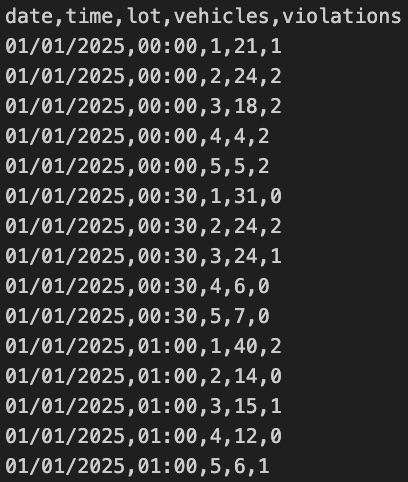
Parking Pest is a data analysis project designed to explore patterns in parking enforcement, vehicle traffic, and violation behavior over time. By aggregating high-frequency numerical data collected from multiple parking locations, the project provides insight into when and where violations are most likely to occur. The goal is to replace anecdotal assumptions about parking enforcement with measurable, reproducible analysis.
I built Parking Pest to better understand how real-world operational data can reveal behavioral patterns at scale. Parking enforcement is a system that affects thousands of people daily, yet its dynamics are rarely examined quantitatively. This project allowed me to work with large time-series datasets, explore seasonality and anomalies, and think critically about how data-driven insights could inform both users and policymakers.
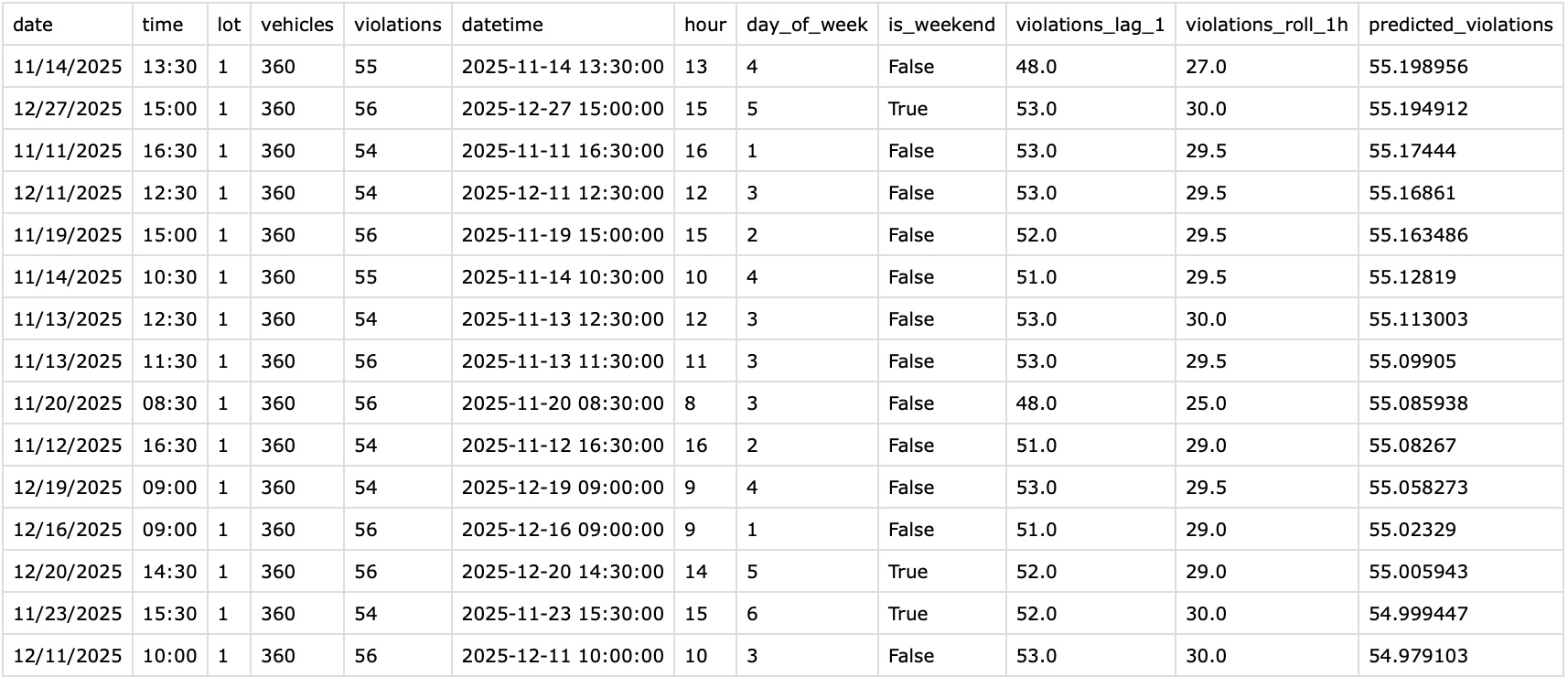
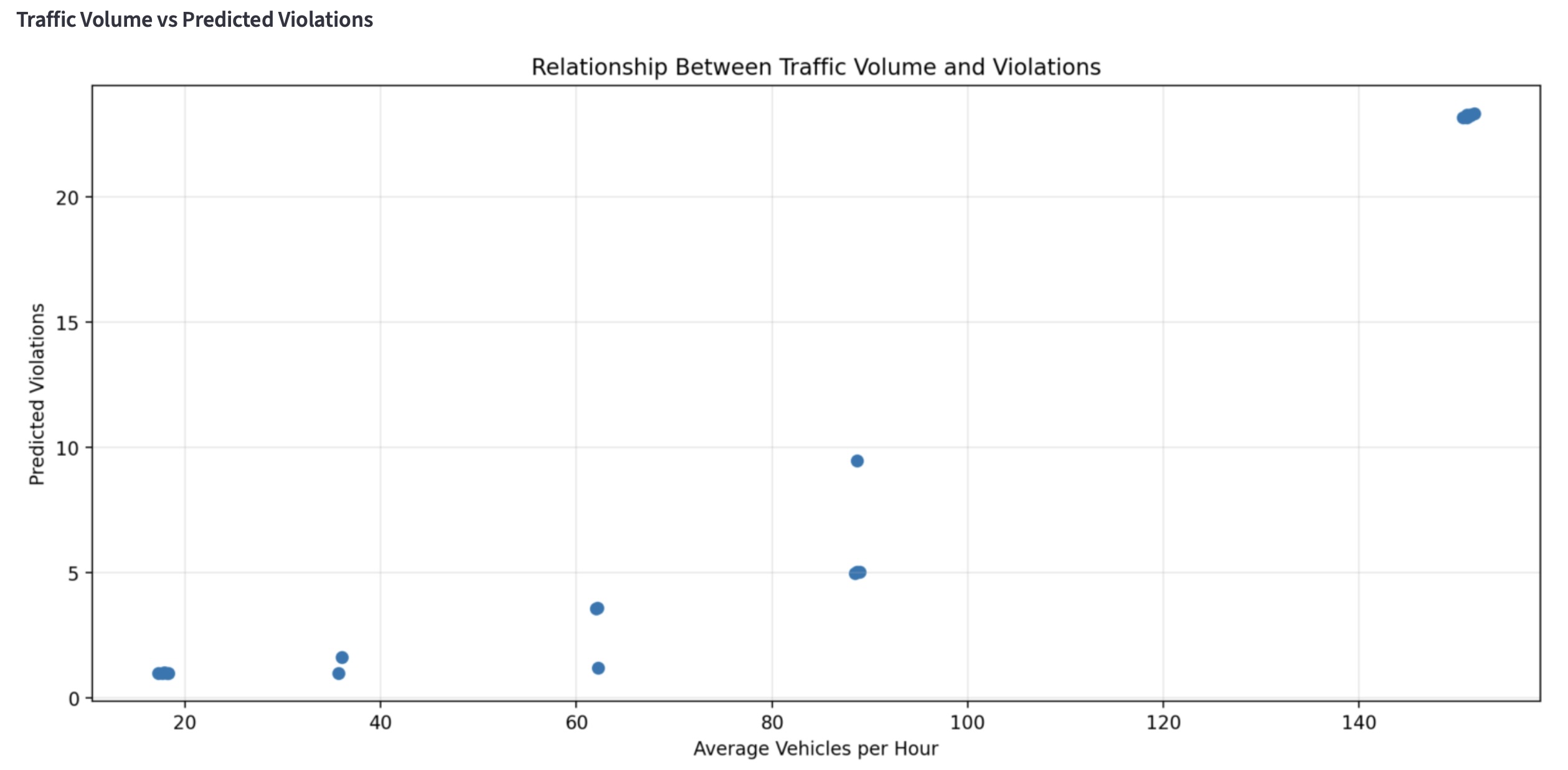
I designed the end-to-end data pipeline for Parking Pest, including preprocessing, aggregation, and exploratory analysis of time-series data. I implemented statistical summaries and visualizations to identify trends in violation rates, vehicle flow, and enforcement intensity. Throughout the project, I focused on building clean, reproducible analysis workflows that could scale as additional locations or time periods were added.